A programme begins at the hospital source
MedCorpora's initial source network consists of participating hospital partners and hospital networks in India. The platform establishes what an authorized hospital archive contains, which authority applies and how studies, reports and clinical evidence can be resolved into governed programme inventory. Detection, segmentation, quantitative and foundation-model workloads are then materialized from that controlled source layer.
Each programme publishes its composition, missingness, privacy controls, clinical review standard and release history. Availability is established through the programme control plane rather than inferred from raw file counts.
Current programme status
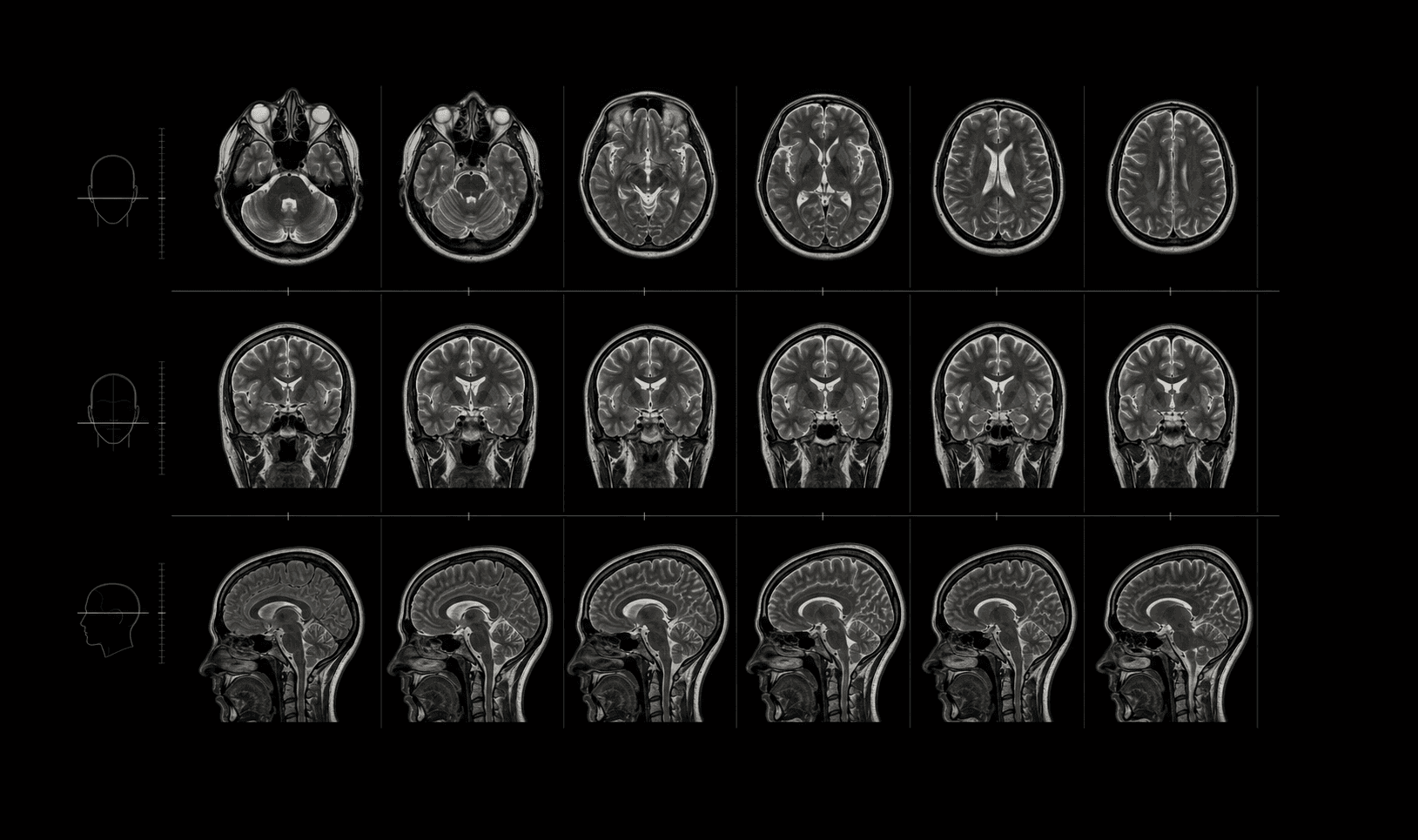
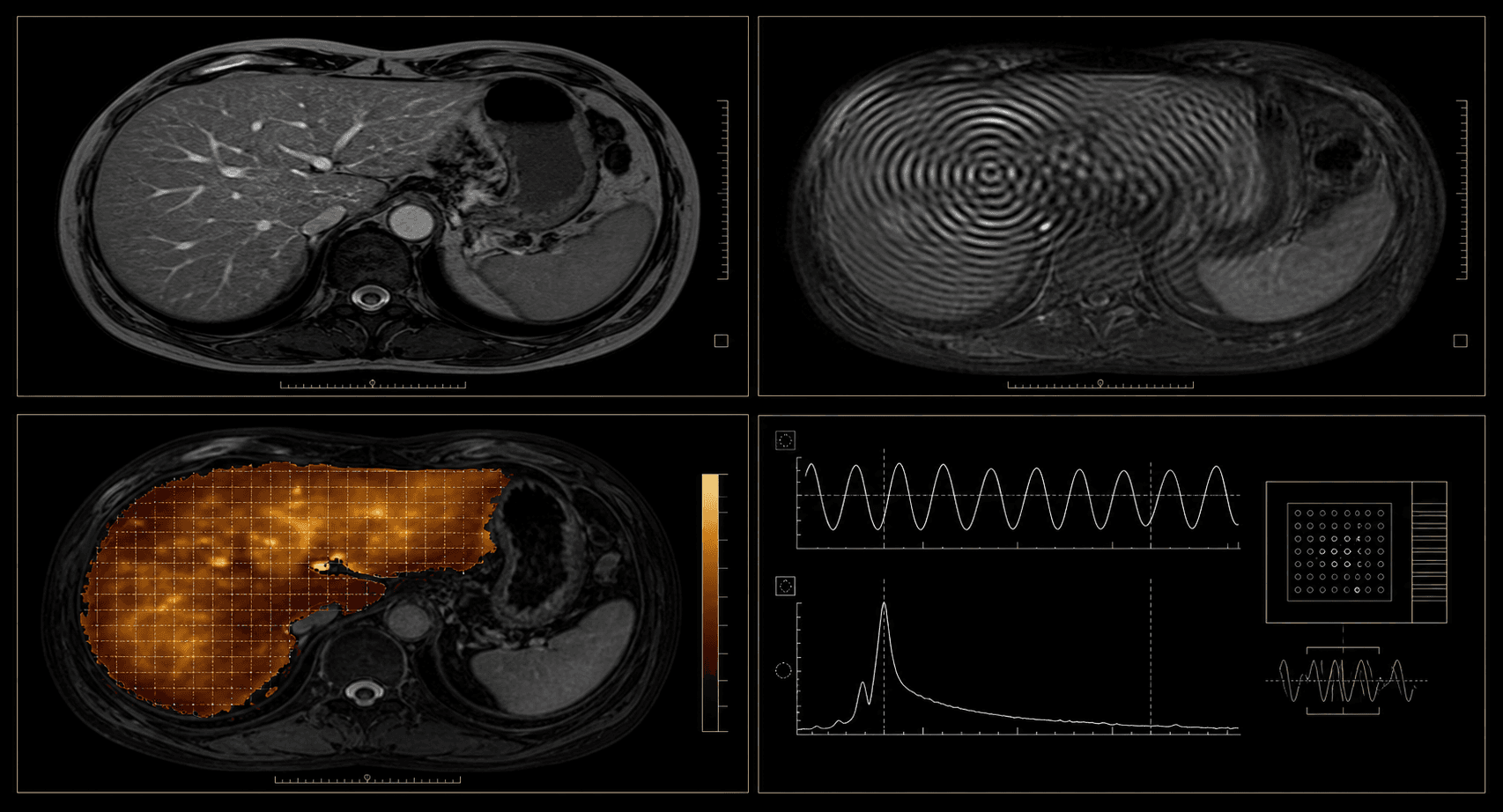
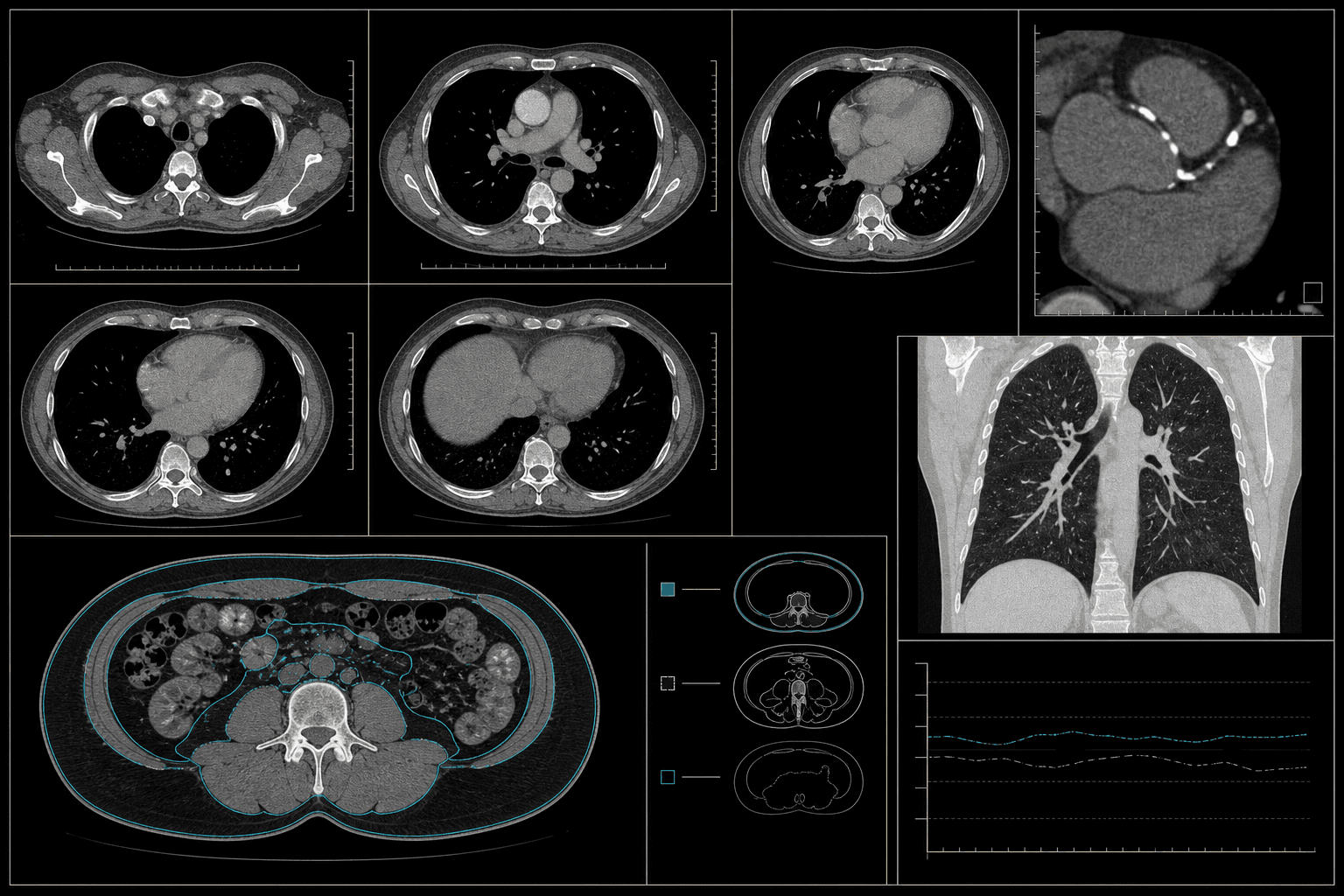
The brain MRI corpus is the current imaging programme under study-level verification and privacy clearance. Its working scope covers 3D T1, T2, FLAIR, DWI/ADC and selected perfusion from 1.5T and 3T systems. Liver MRI/MRE and non-contrast CT are published sourcing scopes; they are not represented as ready-to-download inventories.
Additional modalities are opened only when a buyer specification matches aggregate hospital inventory, source authority and a feasible clinical reference standard.
Source control and commercial rights
Hospitals and authorized data controllers retain control of source records and any re-identification mapping. MedCorpora does not acquire ownership of the hospital record.
MedCorpora establishes written, programme-specific authorization before preparing or releasing an approved de-identified cohort. Exact processing, licensing, retention, geography, exclusivity and onward-transfer terms are defined before release through the applicable source and buyer agreements.
What can be specified
A programme can begin from any defined medical AI task and be narrowed by modality, anatomy, pathology, acquisition, population, clinical evidence and permitted commercial use. Availability is established through hospital inventory and authority, not assumed from this website.
- Imaging across MRI, MRE, CT, X-ray, ultrasound, mammography or digital pathology where verified
- Radiology reports, diagnoses, laboratory results, outcomes and longitudinal clinical context where linkable
- Physiologic signals, device data and waveforms where hospital systems preserve usable source records
- Reference scopes including brain MRI, liver MRI/MRE and non-contrast CT
No silent substitution
A missing sequence, report or demographic field changes whether a cohort is fit for purpose. Dataset cards therefore record what exists, what was excluded and what remains unknown. Derived files never replace source acquisition records without an explicit release definition.
Questions, answered directly.
Are all programmes immediately available?+
Programme composition and access are confirmed under individual governance, diligence and licensing processes rather than through public downloads.
Are MRI and CT the only programme types?+
No. They are published reference scopes. Additional imaging and linked clinical data can be scoped when a buyer requirement matches verified hospital inventory and authority.
Can a programme be exclusive?+
Exclusivity can be discussed, but it changes hospital permissions, commercial terms, duration and price. Non-exclusive licensing is the default structure under consideration.
Do you provide a pilot?+
The intended process is a small, privacy-cleared sample assessed against written acceptance criteria before a final cohort is prepared.